News
20 October 2026. Connecting the dots: Understanding mollusc aquaculture systems across Southeast Asia
Understanding how bivalve mollusc production systems work, and how their different parts connect, is essential to finding effective and sustainable solutions to the challenges in the system. Mollusc farming involves much more than what happens on the farm: seed supply, water quality, access to growing areas, licensing, labour, markets and climate all influence production. These factors are interconnected, meaning that a change in one part of the system can have consequences elsewhere.
The Royal Veterinary College (RVC) has been leading Work Package 2 (WP2) of the WAVES project, exploring key bivalve production systems in Malaysia, Indonesia and Vietnam. Through participatory systems mapping, the team has worked with stakeholders to understand how these systems function, identify the challenges they face and explore possible ways to address them. This helps build a picture not only of individual problems, but also of the wider factors and relationships shaping production.
Why take a systems-thinking approach?
Challenges facing mollusc farmers rarely occur in isolation. For example, seed availability, environmental conditions, access to suitable growing areas and changing market demands can all influence one another. Addressing one challenge without considering these connections may leave underlying problems unresolved or create new ones.
Systems mapping helps make these connections visible. Bringing together producers, traders, government officers and researchers allows different experiences and knowledge to inform the process. Different stakeholders see different parts of the system, shaped by their experiences and role, and mapping these perspectives together can reveal connections and dependencies that might otherwise be overlooked. The resulting maps provide a structured picture of the system, grounded in stakeholder knowledge and open to further analysis and validation.
Building a picture of mollusc production across Southeast Asia
The team organised workshops and field visits with local partners, following a broadly consistent approach adapted to each country’s context. Partners include WorldFish and CEMACS in Malaysia, VAFIS in Vietnam, and the Marine and Fisheries Polytechnic of Jembrana in Indonesia. The activities covered six production systems: blood cockles, oysters and mussels in Malaysia, green mussels and pearl oysters in Indonesia, and clams in Vietnam. Participants worked together to map production and related activities, identify key challenges and discuss possible responses.
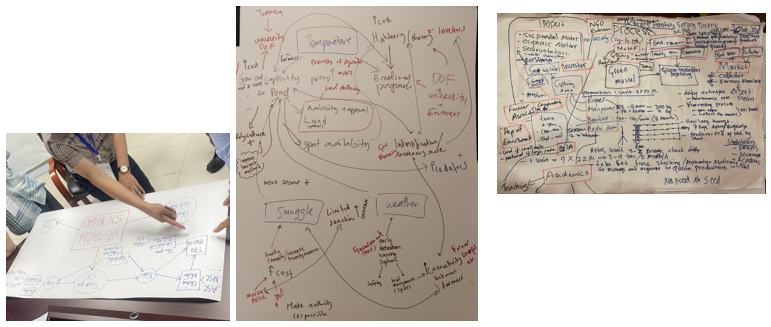
Participant-drawn systems maps from the WAVES workshops in Vietnam (left), Malaysia (centre) and Indonesia (right) showing how participants see their production systems.
Participants in the Malaysian workshops, including the cockle, oyster and mussels’ groups, described the same challenge: obtaining the licences needed to farm a site can take a long time. Mapping the systems showed it is more than an administrative delay. Approvals involve several agencies and tenure is often short, so the process meant to manage the sector can itself add to the pressures producers face. This matters for resilience of the systems, because uncertain access to a site might make it harder to invest in protecting a farm from storms or to recover after a loss, and for sustainability, because farmers with short-term access might have less reason to invest in the long-term care of the site.
From mapping to evidence and action
The workshops have strengthened networks of stakeholders and experts, supported the development of maps of existing production systems, and helped identify potential adaptation and mitigation measures in response to challenges. They have also highlighted potential vulnerability hotspots: points where several pressures come together or where changes could have wider effects. The work contributes information to geographical maps of current mollusc production and builds partners’ capacity to use systems-thinking methods beyond the project.
The maps are a starting point for analysis, rather than an end in themselves. The team is examining the workshop findings to understand what drives the challenges identified, how they connect, what responses are already in place and where opportunities for change may lie. Findings have been validated with participants and refined as the work progresses, helping ensure that the analysis reflects the systems it aims to describe.
Connecting systems understanding with future pathways
WP2 also helps connect an understanding of current production with the project’s wider investigation of future conditions. Its findings have informed other WAVES activities, including climate modelling and species suitability assessments, linking environmental changes with the production practices, livelihoods and constraints that shape their implications in practice.
The findings also feed into WP5 to develop a shared vision and roadmap for the sector. By bringing together evidence on how production systems work, the pressures they face and the connections between them, WP2 helps establish a foundation for exploring realistic pathways towards more sustainable and climate-resilient mollusc aquaculture in Southeast Asia.
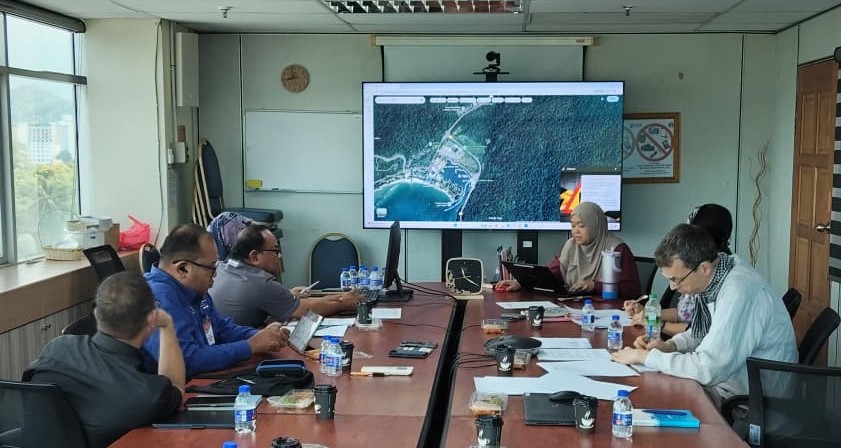
18 September 2026. To understand the policy landscape and existing local bivalve farming initiatives, WorldFish, in partnership with the Center for Marine and Coastal Studies (CEMACS, Universiti Sains Malaysia) and the University of Northumbria, organised a series of key informant interviews on Langkawi island, Malaysia. Held on 4th and 5th May 2026, these consultations sought to collect information on current and future bivalve production surrounding the island, local environmental conditions and challenges, and coastal development plans and policies that impact local bivalve farming.
The activities commenced on 4 May 2026 with the Kubang Badak Oyster farmers, who shared that oyster cultivation can be lucrative, especially during peak tourist seasons. The farmers highlighted various adaptations in management to address environmental changes such as heavier rainfall, while noting previous challenges due to exposure to anthropogenic factors such as boat engine oil and the reported use of illegal chemicals in the surrounding waters. Prof. Aileen Tan of CEMACS who was interviewed on the same day provided ecological context, explaining how oysters naturally improve water quality and reduce harmful algal blooms through filter feeding. She emphasized that site suitability and committed operators were the keys to farm success.
On 5 May 2026, a consultative session with the Langkawi Development Authority (LADA) alongside representatives from the Langkawi Municipal Council and DoF Langkawi was held. The discussions focused on spatial planning and governance, whereby the stakeholders explained how aquaculture surrounding the island must align with the Langkawi UNESCO Global Geopark Management Plan, prioritizing aquaculture development within designated Aquaculture Industrial Zones (AIZs) to protect conservation status. Meanwhile, operational requirements were highlighted, including the process of state-issued Temporary Occupation Licences (TOL) and a one-year site trial phase for every new bivalve farming site.
Finally, an online consultative session with DoF Putrajaya and the relevant divisions mapped local efforts to federal policy, discussing the role of various support frameworks under the Aquaculture Strategic Plan 2021-2030, the voluntary MyGAP certification scheme, harmful algal bloom (HABs) monitoring under the National Shellfish Sanitation Program (NSSP) and the national climate change action plan for the sector.
Together, these insights will feed into bivalve systems modelling and geospatial analysis, which will identify future suitable bivalve production areas and support a collaborative national roadmap for sustainability of the sector.
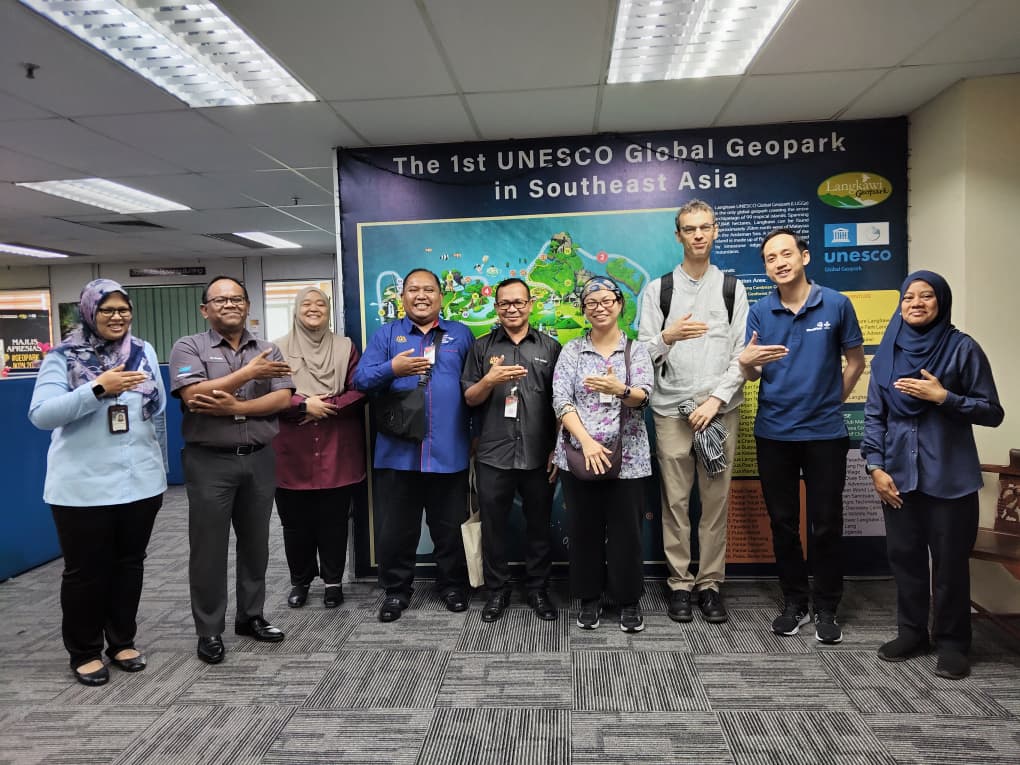

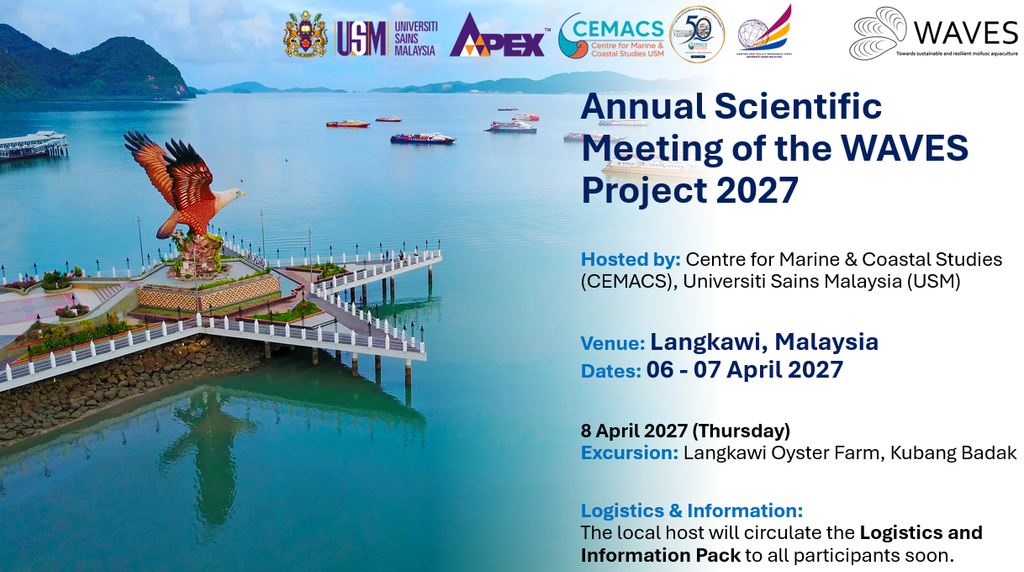
11 September 2026. We are delighted to confirm that the 2027 WAVES Annual Meeting will take place in Langkawi, Malaysia during the week of 5th April 2027, hosted by the Centre for Marine & Coastal Studies (CEMACS) and Universiti Sains Malaysia (USM). The main meetings will take place on Tuesday 6th & Wednesday 7th to allow participants to travel on the Monday and Friday.
The event will be an opportunity to discuss progress against tasks since our 2026 annual meeting in Lombok while also looking ahead to the dissemination of our planned outputs. There will also be a visit to an Oyster Farm in Kubang Badak on Thursday 8th April. Please therefore add this placeholder to your calendars and more details will follow in due course.
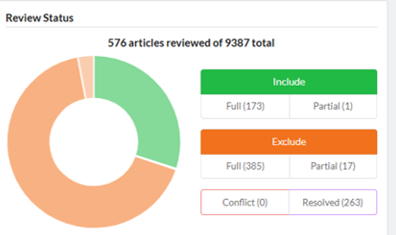
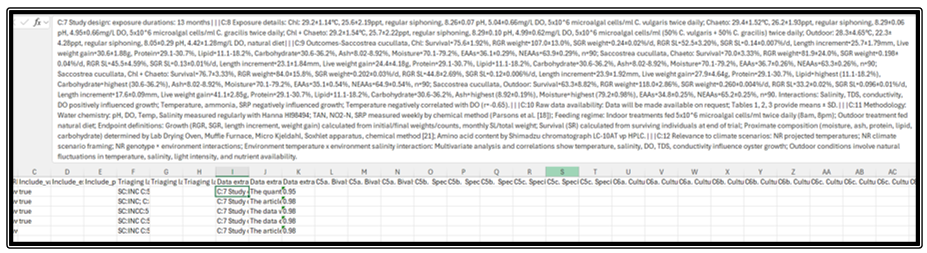
17 August 2026. Understanding how climate change will reshape coastal aquaculture requires more than good models; these models need good evidence to drive them. As part of WAVES, the Newcastle University team is undertaking a systematic scientific literature review to identify, organise and evaluate environmental and biological data needed to support the WAVES clam and oyster farming suitability modelling work. Good models depend on robust, high‑quality evidence, and our LLM-assisted approaches help us to examine large cohorts of evidence, sifting to the most useful information, and identifying specific data to incorporate into models.
Our approach systematically maps available research on environmental drivers relevant to coastal aquaculture, including climate hazards, water quality parameters, pathogen behaviour, and the ecological conditions that support or constrain shellfish production. Examining evidence across all farmed and wild bivalve species around the world, described in N=9387 pieces of research, we are extracting and categorising evidence from about 4,200 articles across key dimensions such as:
- Environmental drivers (e.g., salinity, temperature, sediment)
- Impacts on bivalve production responses (e.g., primary responses like survival and mortality), and secondary responses to bivalve physiology like metabolic rate, clearance and feeding rate, growth rate, scope for growth, respiration, excretion, condition indices, pathogen/bacterial/metal abundance, and lipid/metabolites/protein levels)
- Food‑system pathway steps (e.g., production, harvesting, transport)
- Study types (e.g., observational studies, modelling outputs, experimental data).
This structured approach allows us to identify where evidence is strong, where it is sparse, and where expert judgement or other approaches may be required. It also helps us understand how environmental conditions vary across regions and production systems; essential for building models that are both realistic and adaptable. The review pipeline can also be updated to provide a ‘living’ review approach, which means that models can be run on the best available evidence.
The outputs of this review will directly feed into the WAVES modelling pipeline. By providing a curated, quality‑assessed evidence-base, we can ensure that the models predicting aquaculture suitability under future climate scenarios are grounded in the best available science. This will support more accurate risk assessments, better forecasting of climate impacts, and stronger decision‑making for communities and industries that depend on coastal aquaculture.
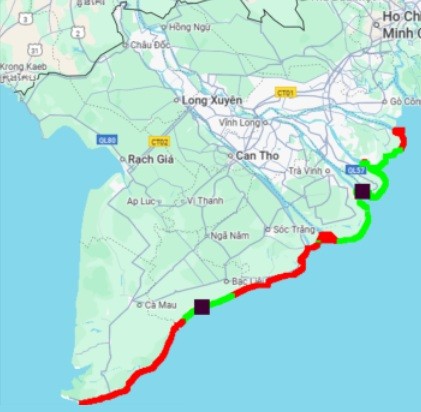
28 July 2026. The Work Package 3 team at the University of Southampton has been undertaking Bayesian modelling of clam farming suitability along the Mekong Delta coastline, with models being updated as further data becomes available, such as location of existing farms, sediment and times to market. The image below shows an example output, where the model has identified suitable farming locations (shown in green), using sediment, salinity, sea surface temperature and travel time to market data. Existing clam farm locations are shown in black.
Modelling of oyster farming within the Malaysian study area will begin shortly, with data such as salinity and sea surface temperature currently being extracted from climate models. This model will also include consideration of harmful algal blooms, with the provision of historical data on harmful blooming instances kindly provided by colleagues at Universiti Sains Malaysia.
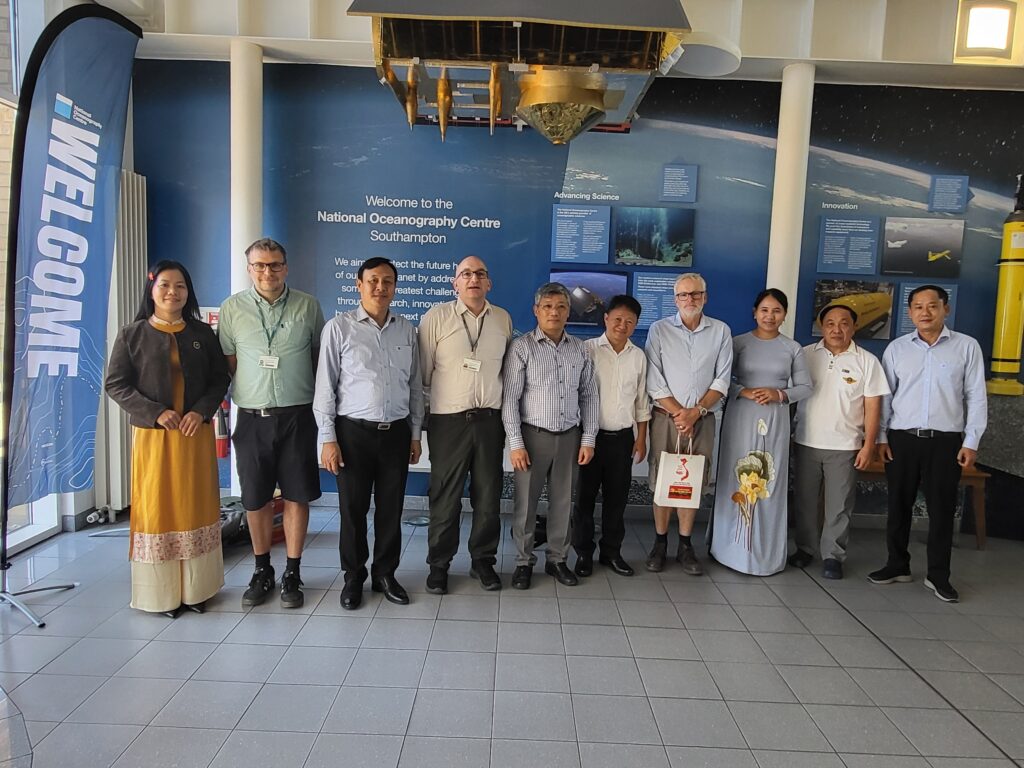
13 July 2026. The team at the University of Southampton, with one of our Vietnamese collaborators Prof Tri (Can Tho DRAGON Institute), hosted a delegation from the Ho Chi Minh Academy of Politics Region IV – discussing the WAVES project within the political context of the Mekong Delta. Discussions considered how the findings of WAVES might best be integrated into the local political agenda on the Mekong, and concluded with a commitment to host a small WAVES delegation by the end of 2026.
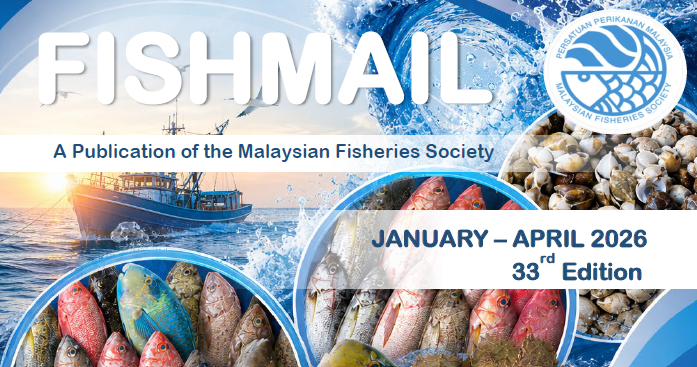
29 June 2026. The WAVES Project was featured in the Spring 2026 edition of FishMail, the Malaysian Fisheries Society’s newsletter. Written by Laura Khor and Chan Chin Yee of WorldFish Malaysia, the article focused on the importance of Malaysia’s bivalve industry and the events they have hosted to engage with key stakeholders in the sector. You can read their article here.
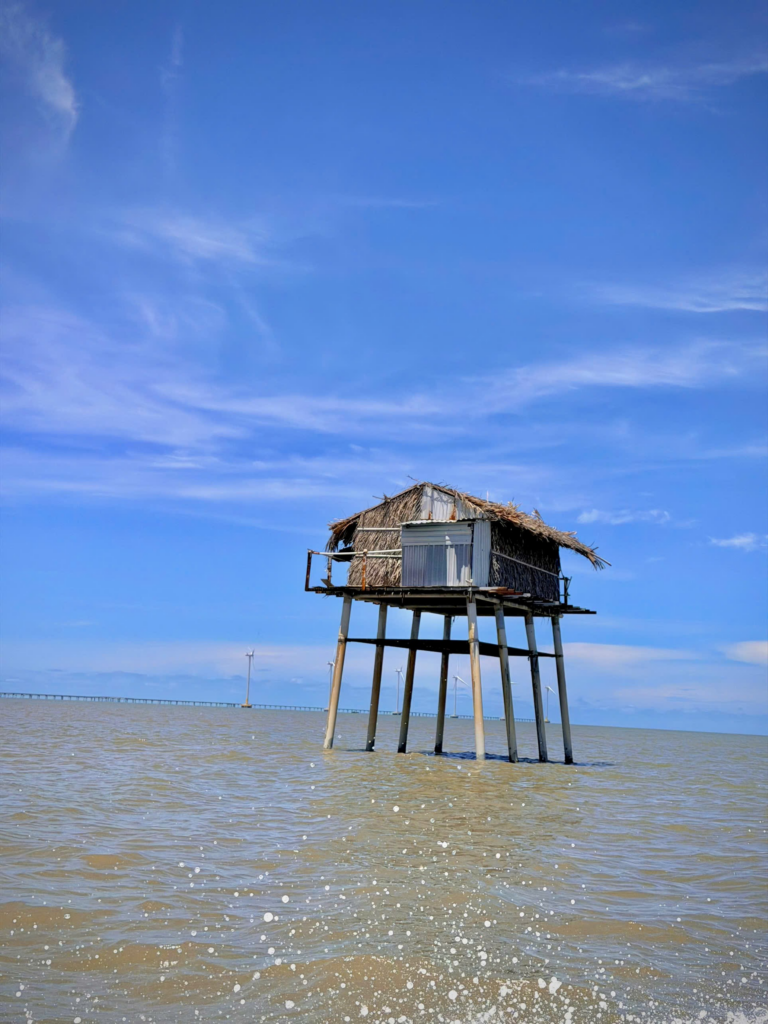
19 June 2026. The Can Tho team visited Ca Mau province to meet with farmers in Dong Tien Cooperative, which manages approximately 900 hectares of clam farming across three management zones. Although annual production previously reached 11,000–20,000 tonnes, yields have declined in recent years due to environmental variability, deteriorating water quality, and reduced availability of natural clam seed. To improve seed security, the cooperative has invested in a 24-hectare hatchery and nursery that includes nursery tanks, grow-out ponds, and water treatment infrastructure, while continuing to recognise the superior resilience and adaptability of natural seed. The cooperative identified water quality as its greatest production challenge, attributing impacts partly to wastewater from upstream intensive shrimp farming, and highlighted the need for more comprehensive seasonal monitoring of water and sediment quality. Production is also affected by seasonal salinity declines during the rainy season, periodic heatwaves, and erosion of tidal flats, all of which reduce growth, extend production cycles, and increase mortality risk. Farming management therefore relies heavily on site selection based on sediment stability, routine environmental monitoring, and stocking density adjustments, as chemical or antibiotic treatments cannot be used in the natural farming environment.
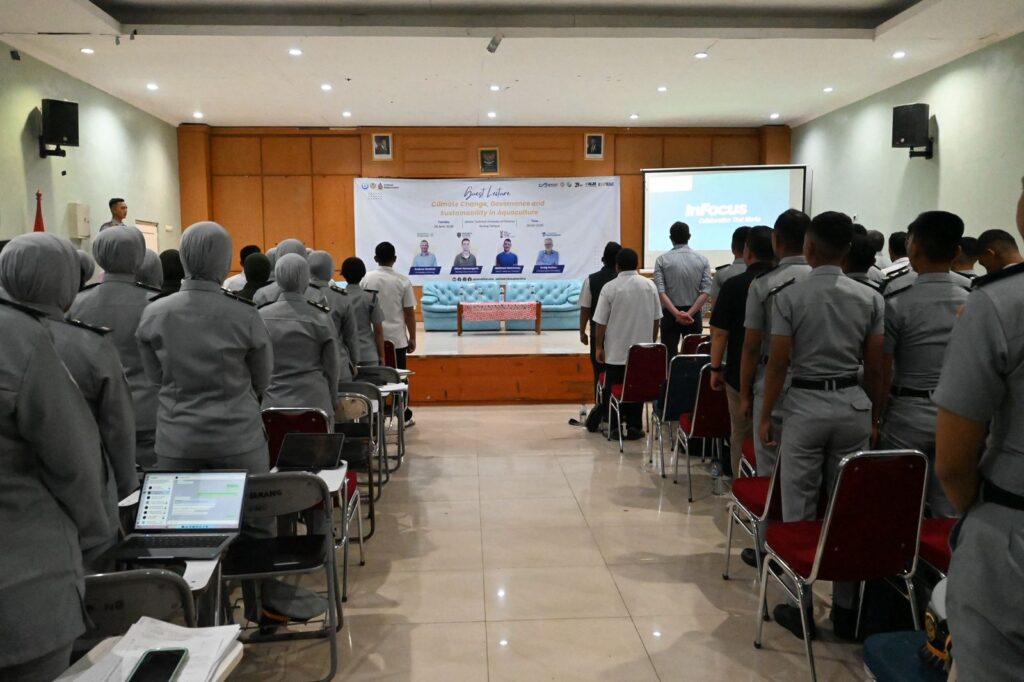
28 April 2026. Four members of the WAVES leadership team (Prof. Craig Hutton, Dr Mathew Hennessey, Dr Oliver Hensengerth and Dr Andrew Desbois) presented key aspects of the WAVES project to aquaculture and marine science students and staff at the Serang Campus of the Jakarta Technical University of Fisheries.
24 April 2026. To conclude the WAVES Annual Meeting, our hosts (Marine & Fisheries Polytechnic of Jembrana) invited the network on a field trip to visit Oyster farms in western Lombok.
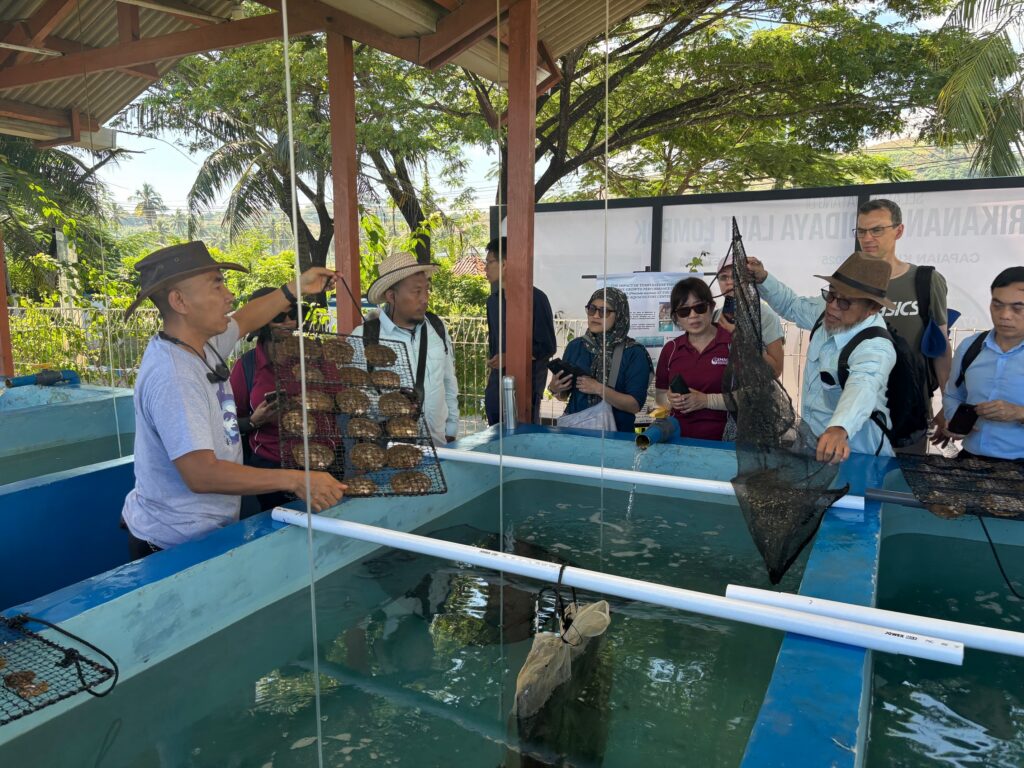
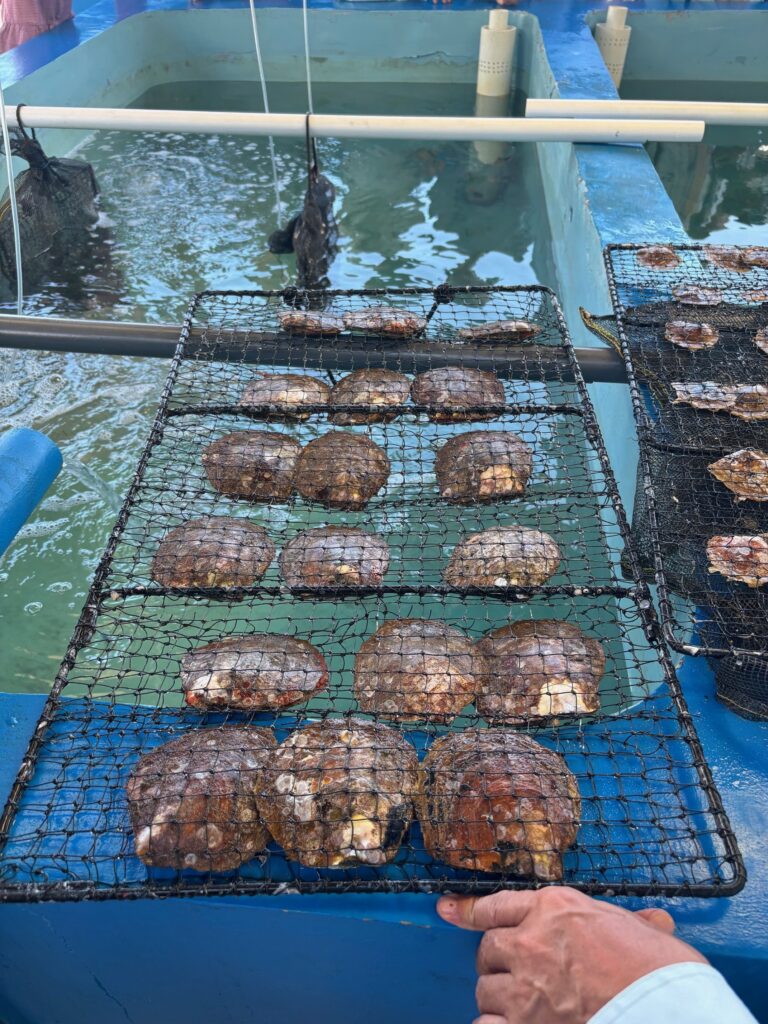
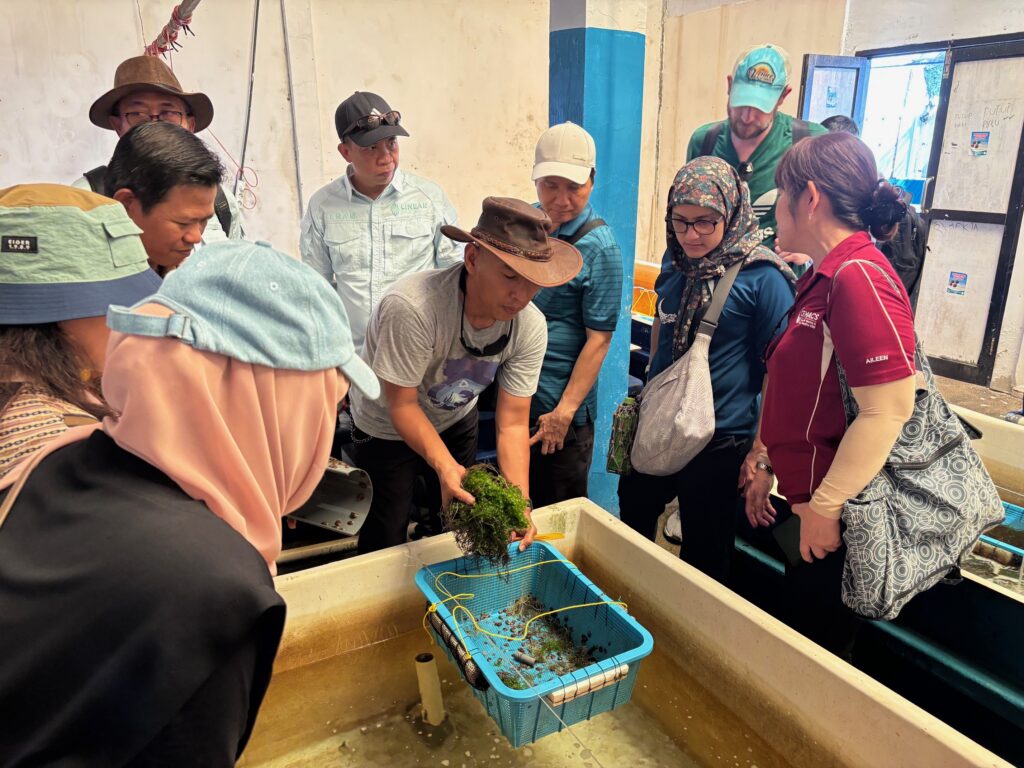
23 April 2026. The first WAVES Annual Meeting took place in Lombok, Indonesia between 22nd-24th April 2026. We were also delighted to be joined by members of our Advisory Board. We would like to thank the Marine & Fisheries Polytechnic of Jembrana for hosting the event.
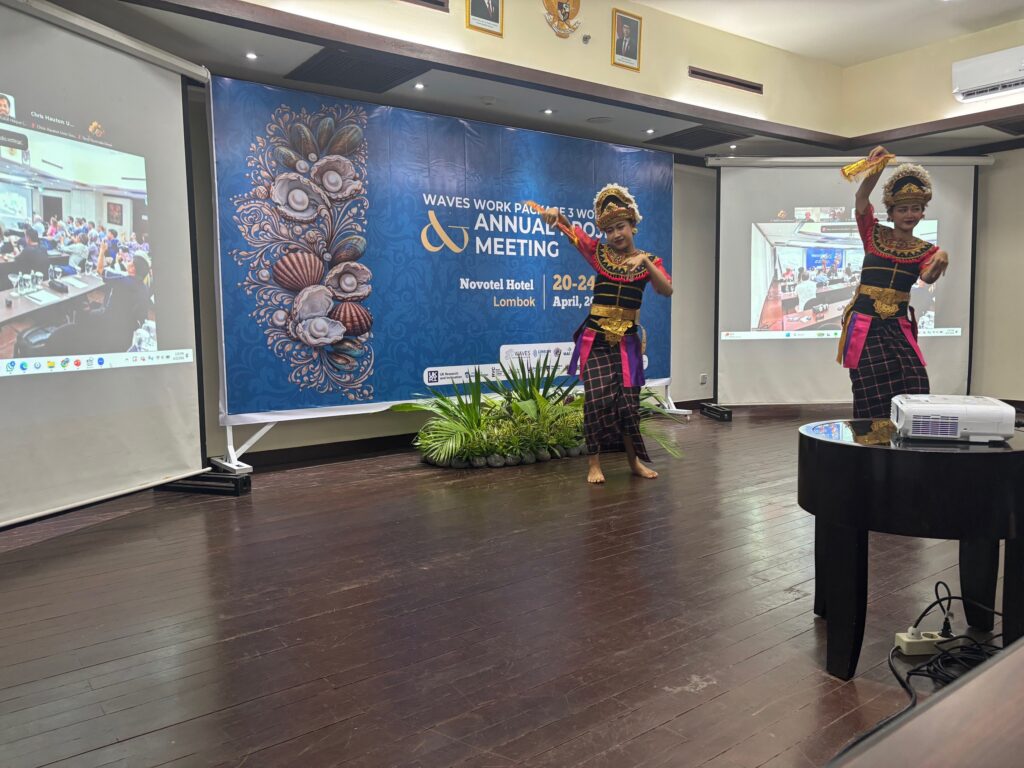
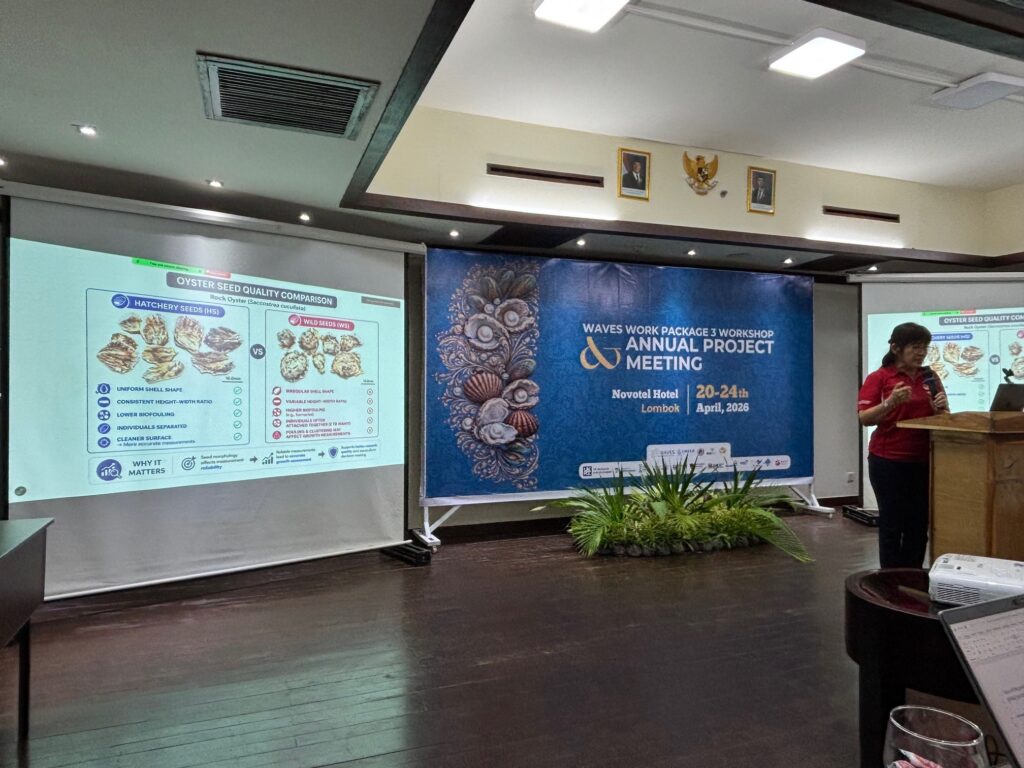
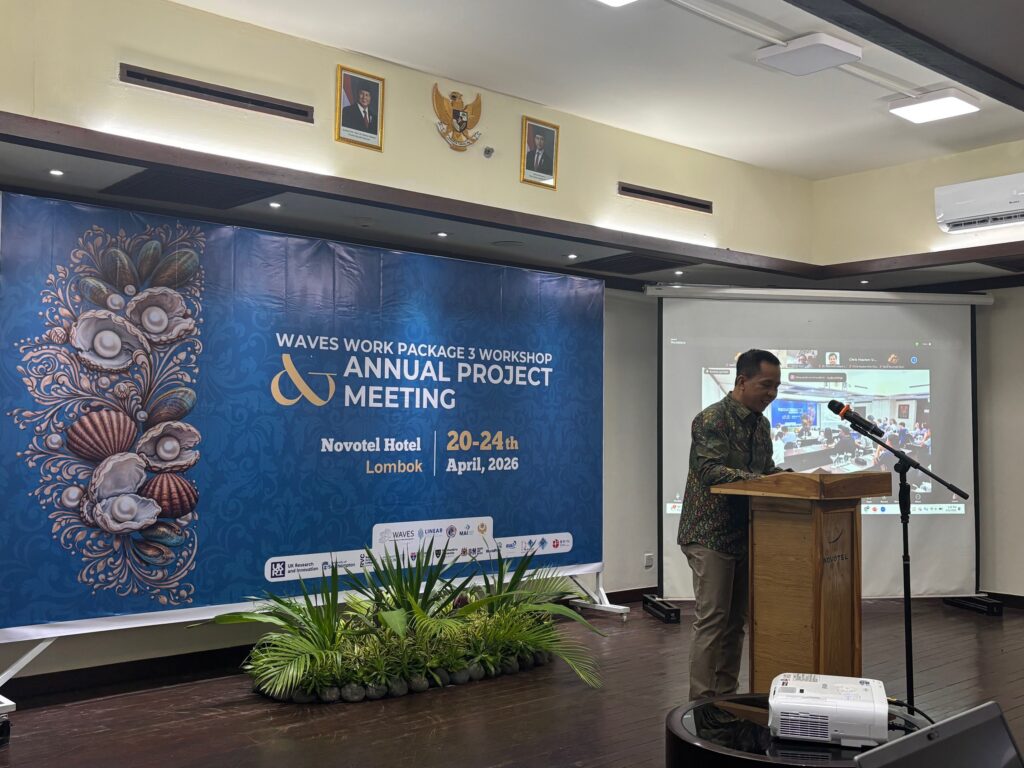
21 April 2026. The Work Package 3 team held a workshop in Lombok, Indonesia on 20th & 21st April 2026 with representatives from across the network. The main topics of discussion were Sediment Modelling and to finalise the project’s approach to modelling aquaculture communities across our study sites in Indonesia, Malaysia and Vietnam.
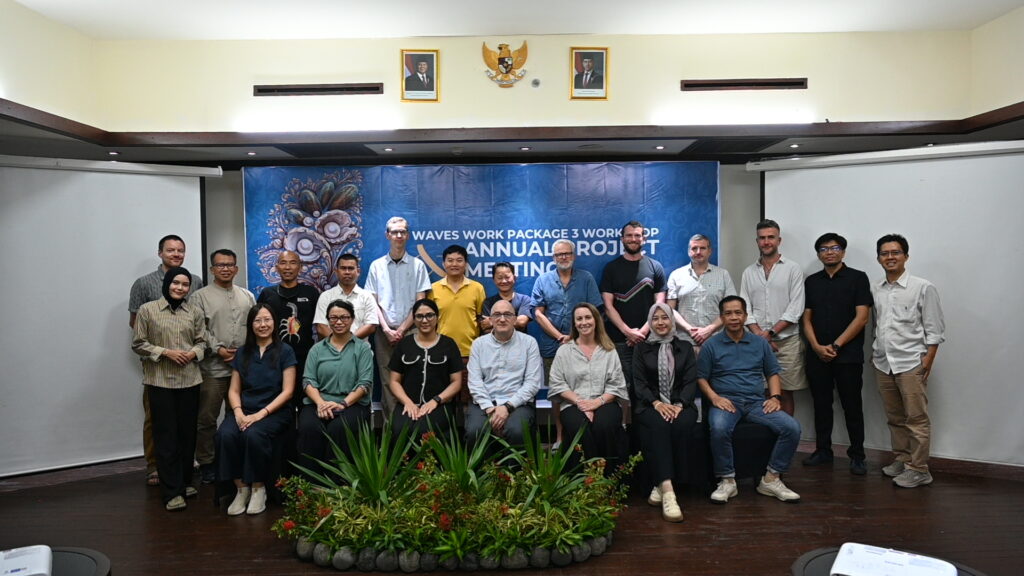
2 April 2026. We are delighted to announce that the 2026 WAVES Annual Project Meeting will take place in Lombok, Indonesia on 22nd & 23rd April. Hosted by the Marine and Fisheries Polytechnic of Jembrana, this meeting will bring together members from across the network to discuss progress so far and plans for upcoming activities. There will be presentations from our Early Career Researchers and we will also welcome members of our Advisory Board for their direct feedback on the project’s strategic objectives.
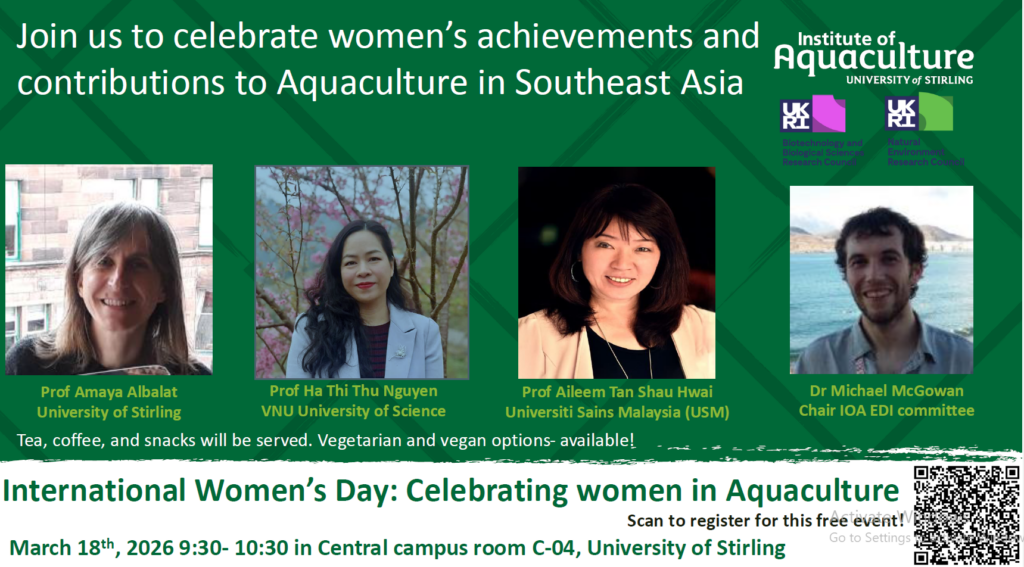
4 March 2026. Prof. Aileen Tan will be one of the inspirational leaders taking part in an event to mark International Women’s Day on 18th March 2026, as part of the UKRI-funded AquaSoS project that has a Work Package devoted to developing female aquaculture scientists in SE Asia. Event details and registration (including for online attendance) available via the QR Code.
13 November 2025. The WorldFish team have prepared an article entitled “Charting a Sustainable Future for Mollusc Production in Southeast Asia” on how mollusc farmers are adapting to climate change.
3 November 2025. A key output from the WAVES project is to forecast future demand for molluscs: a WorldFish-led workshop in Malaysia in September was used to collect key baseline data.
15 October 2025. As part of the September 2025 workshop, the WAVES team visited the facilities at the Autore Pearl Farm in Lombok, Indonesia to gain a deeper understanding for their operations and the sector more widely.
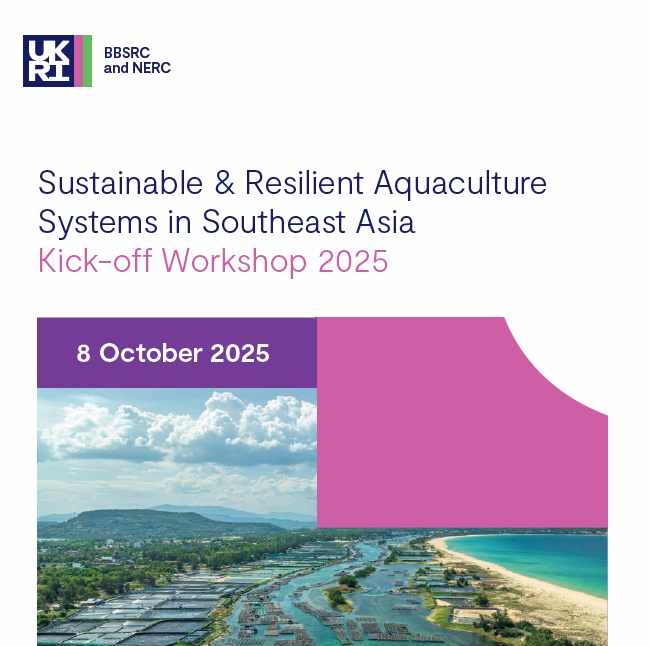
8 October 2025. Twelve members of the WAVES team participated in the Sustainable & Resilient Aquaculture Systems in Southeast Asia meeting in London hosted by UKRI, which connected the projects funded by the call.
30 September 2025. A 2-day stakeholder workshop with representation from the mussels and pearl oyster sectors was hosted by the WAVES team in Lombok, Indonesia to map industry activities and governance.
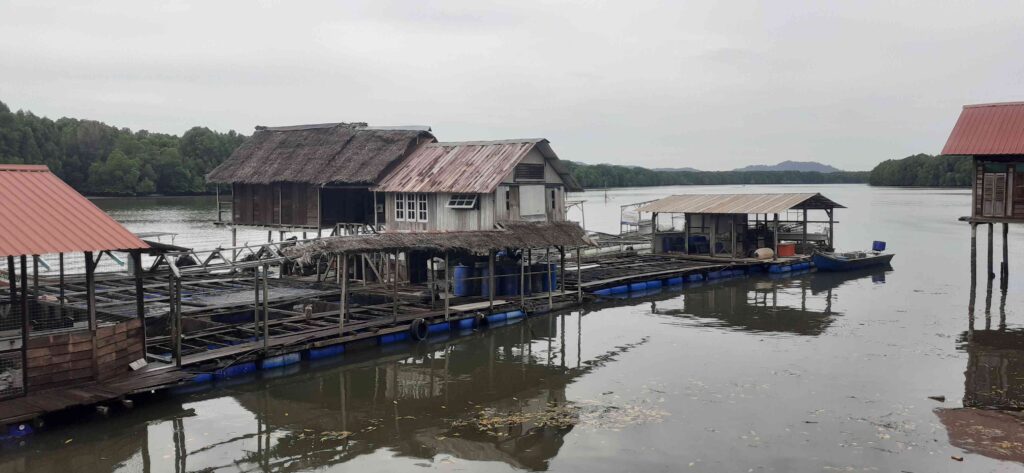
26 September 2025. The WAVES team spent time at a small-scale oyster farm to see and hear first hand some of the challenges facing such producers in Malaysia.
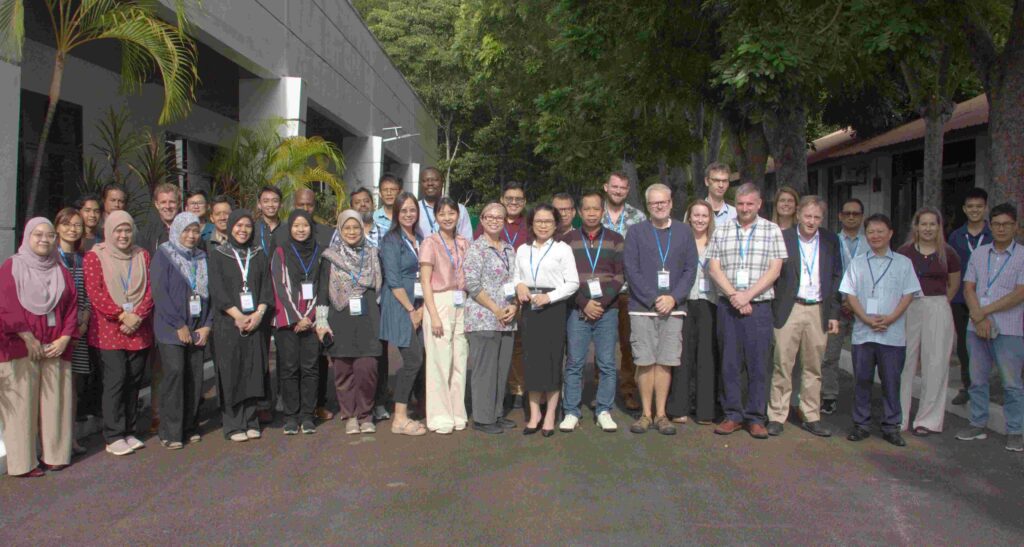
24 September 2025. Project partner WorldFish (Penang, Malaysia) hosted a workshop on modelling led by University of Southampton to guide the selection of suitable case studies of mollusc production in southeast Asia.
15 August 2025. Project co-lead Dr Andrew Desbois presented the WAVES project at the 22nd International Conference on Diseases of Fish and Shellfish in Heraklion, Greece.
12 July 2025. In September, The WAVES WP2 team will conduct a sector-mapping systems-thinking workshop in Penang, Malaysia with over 20 participants from across the national mollusc industry.
24 June 2025. The WAVES Consortium hosted a stakeholder workshop for more than 30 stakeholders of the clam sector in Vietnam at Research Institute for Aquaculture No. 1, Bac Ninh, Vietnam from 16-17 June 2025.
4 June 2025. The WAVES Consortium kick-off meeting took place at College of Aquaculture & Fisheries, Can Tho University, Vietnam from 11-14 June 2025.
10 March 2025. The launch of the WAVES project received press coverage in many outlets, including Fish Farming Expert, Vet Times and Oceanographic Magazine.
7 March 2025. The WAVES Consortium was announced by UKRI. Full details here: https://www.ukri.org/news/revolutionising-aquaculture-bold-new-projects-in-south-east-asia/